The EngageAI Nexus aims to facilitate communication between the EngageAI team and educational practitioners, researchers, leaders, developers, innovators, and more. We emphasize a metaphor of conversation in our Nexus activities to promote community building and engagement. We host interactive events that ignite conversation around artificial intelligence and education, aiming to enable collective progress on the issues we all care most about.
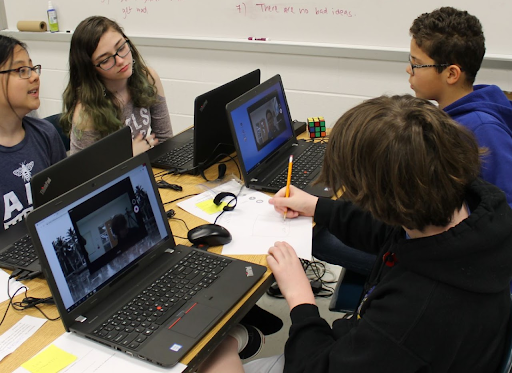
Beyond “That’s a Good Idea”: How AI Can Reveal the Quality of Student Collaboration
Author: Yeo Jin Kim & Wookhee Min Key Ideas Beyond the Words “That’s a good idea!” At first glance, this sounds like a successful collaboration. One student has proposed an idea, and another agrees. But imagine two conversations leading up to that response. In one, students compare evidence, question competing explanations, and reach a conclusion … Read more
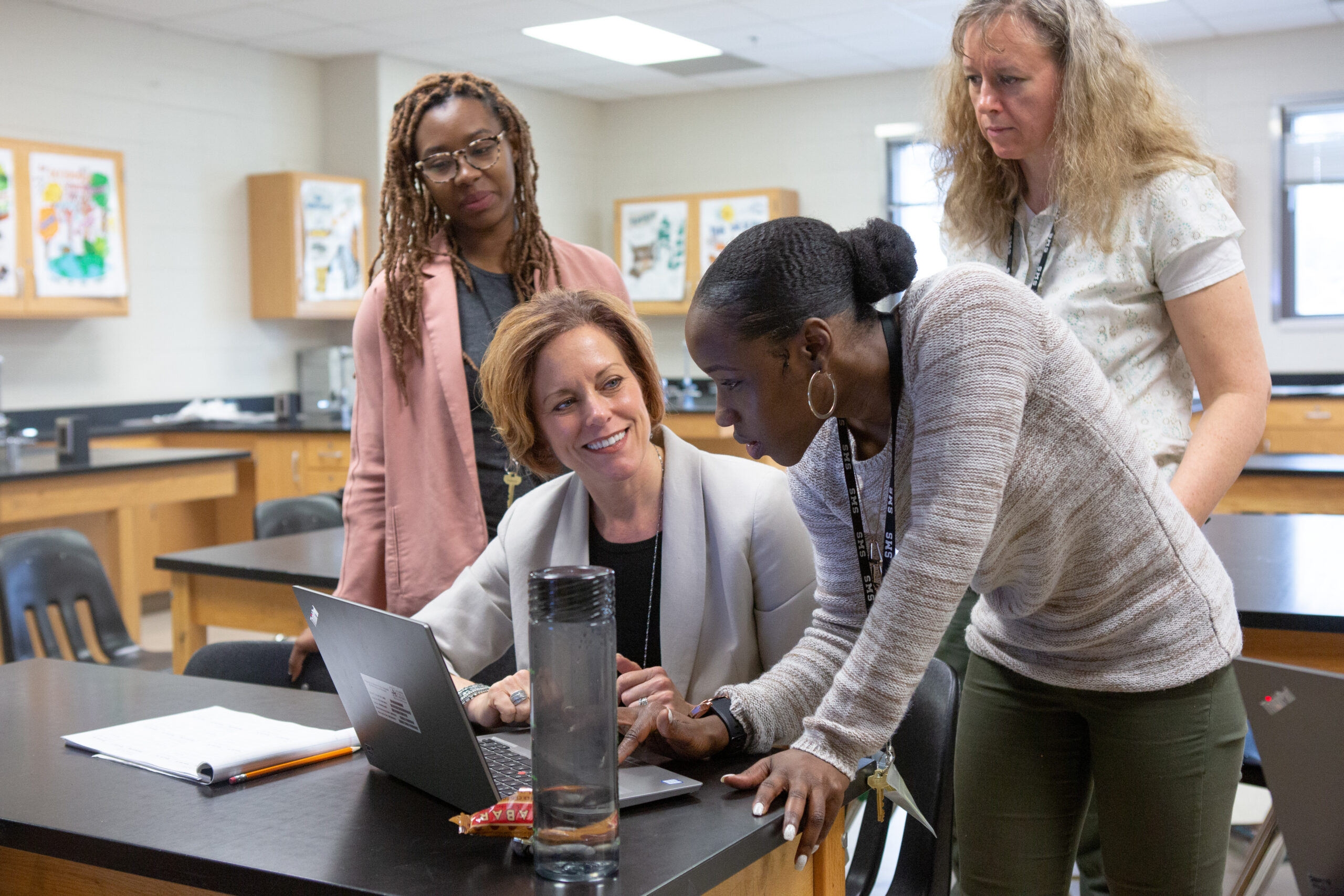
From Disposable Prep to Durable Worlds: Why the Upfront Load of SceneCraft is the Future of Teaching
Author: Wendy Walter & Kelli Paul Key Ideas As a research team—one of whom brings the perspective of a veteran educator—we spend a lot of time analyzing the intersection of Generative AI (GenAI) and classroom learning. Recently, we took SceneCraft, our GenAI-powered storytelling platform, on the road in Indiana to share it with our Educator … Read more
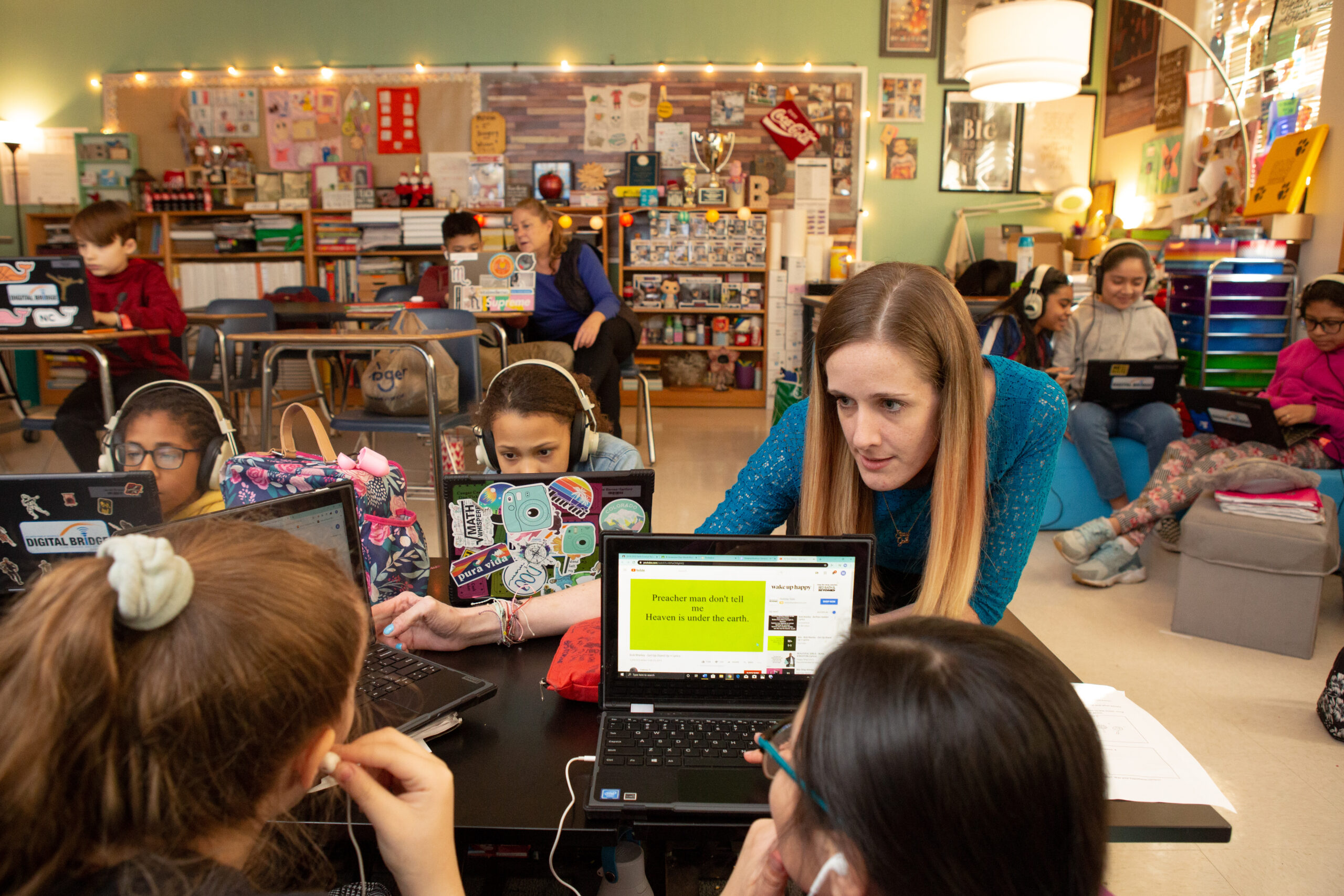
Bridging the Disciplinary Gap through Narrative Learning and AI
Authors: Kelli Paul & Wendy Walter Key Ideas: In education, we often talk about silos. Science happens in the lab, and social studies happens in the archives. But real-world problems rarely respect those boundaries. We created EcoJourneys, a narrative-centered, AI-enhanced game, to support middle school students in learning grade-level ecosystems content while solving real-world environmental … Read more